
Getting Pike County Court Records
For a Pike County court record, go to the Clerk of the Pike Circuit Court. The clearest path starts with a full case number. No number? A party name plus a rough filing year usually works. Say exactly what you want, too. The Chronological Case Summary, a final order, a motion, a judgment, or a probate filing are all fair asks. Vague, sweeping requests slow things down and may fall short of Indiana's reasonable-particularity standard.
Pick whatever channel suits you. Indiana MyCase covers public, nonconfidential docket cases. A quick call to the Clerk confirms the file exists and what copy method is in use. You can also stop at the counter during posted hours or mail a tight, specific request. Need a transcript or recording? That goes through the court reporter. Records from a public agency rather than the judicial file follow the Indiana Access to Public Records Act instead.
- Find the case number through Indiana MyCase or the Clerk.
- Name the exact record, event, and filing year.
- Choose online viewing, phone, counter, or mail.
- Specify an ordinary copy, certified copy, electronic file, or transcript.
- Confirm the current charge and delivery method.
Specify Pike County Clerk Records
Naming your target helps the staff. Ask for "the Chronological Case Summary and final order" in a named Pike Circuit Court case. They know just where to look. Without a case number, give the category, the approximate year, and the event name. Add a return-mail address or phone contact if they ask. Pike County publishes no standard request form, no email dropbox, no online records-payment form, no delivery schedule, and no guaranteed turnaround time. Plan for a little back and forth.
Confirm the current process before you mail any payment. The verified contact is Pike County Clerk, 801 E Main St, PO Box 125, Petersburg, IN 47567. The telephone number is 812-354-6025. Regular hours run Monday through Friday, 8:00 a.m. to 4:00 p.m.
Note: Since Pike County has not posted a complete local records price sheet, ask for the total and the current copy method before you pay.
Pike County Court Record Types
People say "court record" and mean four different things. The public MyCase summary is a searchable event history. A linked document is a single filing tied to one event. The official Clerk file may hold papers or images you cannot download. Transcripts and recordings travel the reporter route. Match the product to the purpose of your docket search, since each serves a different need in the court records world.
- Chronological Case Summary, parties, events, hearings, and disposition data
- Pleadings, motions, answers, appearances, and service records
- Orders, judgments, decrees, and other signed rulings
- Probate, will, divorce, and other public case material
- Transcripts or recordings from the relevant court reporter
Federal cases live somewhere else entirely. Southern District of Indiana matters sit in the federal system, not in MyCase and not in the Pike Clerk's local file. A Pike County court docket search will not surface them.
Choose the Right Pike Record
Pick the right product before you request anything from Pike County. A MyCase printout just tracks events, and it does not come authenticated. A certified copy is different: the Clerk certifies it. Transcripts sit in their own lane. A transcript records what happened in a proceeding. It must go through the reporter route. None of these substitutes for another.
| Product | Best use | Source |
|---|---|---|
| MyCase summary | Review public events and hearing data | State portal |
| Ordinary copy | Read a public filing or order | Pike Clerk |
| Certified copy | Obtain a Clerk-authenticated record | Pike Clerk |
| Transcript | Review a proceeding | Court reporter |
The Indiana court-record request guide draws the same split for Pike County cases. Send case document requests to the county clerk, and route transcript requests to the reporter.
Inside a Pike County Court Record
The Chronological Case Summary is the Pike County court docket. That one sheet can list a great deal. It can list the court, the filing date, the case type, its status, the parties, attorneys, charges or claims, hearings, other events, financial data, and links to public documents. Behind it sits the file itself. The file may hold the papers tied to those docket entries. Skip the guessing, too. Read the event description as written instead of decoding a system abbreviation from memory.
| Case identity | Court, date, type, status, and 63C01-YYMM-TT-NNNNN |
|---|---|
| Connections | Public party roles and attorneys |
| Event history | Filings, service, settings, orders, and disposition |
| Documents | Public images linked to some events |
| Financial panel | Displayed data that may not equal the current ledger |
An entry with no image attached proves nothing about a missing file. The record may be restricted, may still live only on paper, or may never have had a public image at all.
Older Pike County Court Records
Pike County's Circuit Court runs on Odyssey. Its identifier is 63C01. The Odyssey courts list shows its go-live date as February 19, 2019. Anything filed after that point usually lives in the digital case record. Older Pike County court records may still sit in paper files. Some may have been only partly migrated. Others may show up on the docket with nothing to download.
Treat that date as a clue, not a wall. A case from before 2019 can still be online. A newer one can still have gaps. Start with MyCase. If the case you want is not there, ask the Clerk whether it needs a paper or archive search. Hand over a tight date range and case type. A name by itself can pull up more than one file.
Even a modern case can show a public event with no attached image. That entry might record a hearing or a service step. It might also record some other court action that simply never produced a public document. Older papers, meanwhile, may be stored in a form only staff can inspect or copy. None of this makes the Pike County court docket wrong. The docket and the full case file just do different jobs.
Fees and Certified Copies
The State Board of Accounts reference offers a baseline, not a complete Pike County fee schedule. It sets $1 per legal or letter page to prepare a copy or transcript of a record. A certificate under seal costs $1. A transcript of judgment meant to become a lien costs $3. Actual charges can shift with the statute, ordinance, medium, and product involved. Trial filing fees are separate from copy prices.
| Referenced item | State baseline |
|---|---|
| Prepared legal or letter page | $1 per page |
| Certificate under seal | $1 |
| Transcript of judgment for lien | $3 |
| Other media or delivery | Confirm with Clerk |
Clerk of the Pike Circuit Court
801 E Main St, PO Box 125
Petersburg, IN 47567
812-354-6025
Monday-Friday, 8:00 a.m.-4:00 p.m.
Pike Court Record Security
Under Administrative Rule 10, Indiana court records answer to judicial authority, and custody means more than keeping boxes in a room. The official Administrative Rule 10 source lays out that security framework.
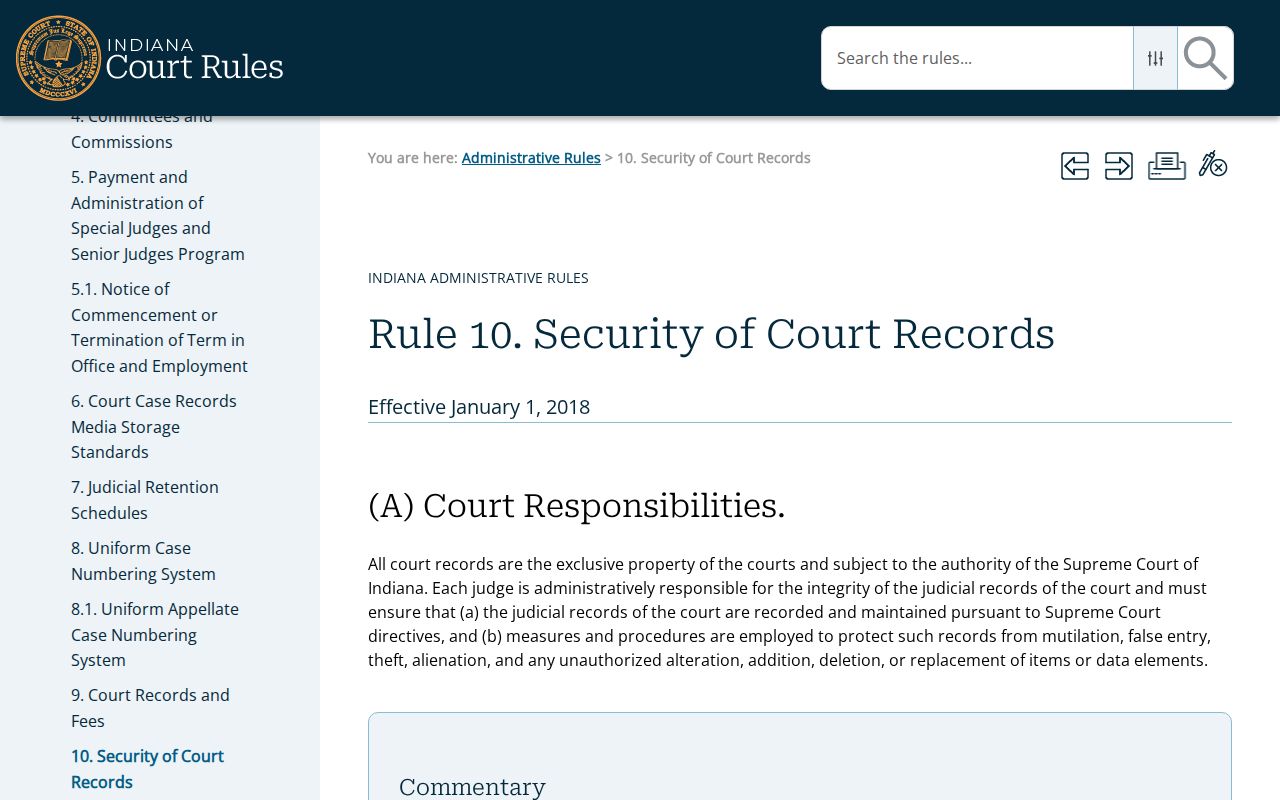
If you need an official copy of a Pike County court record, go to the Clerk rather than trusting what you see on a screen. The Access Rule 10 list names the material the courts keep out of public view.
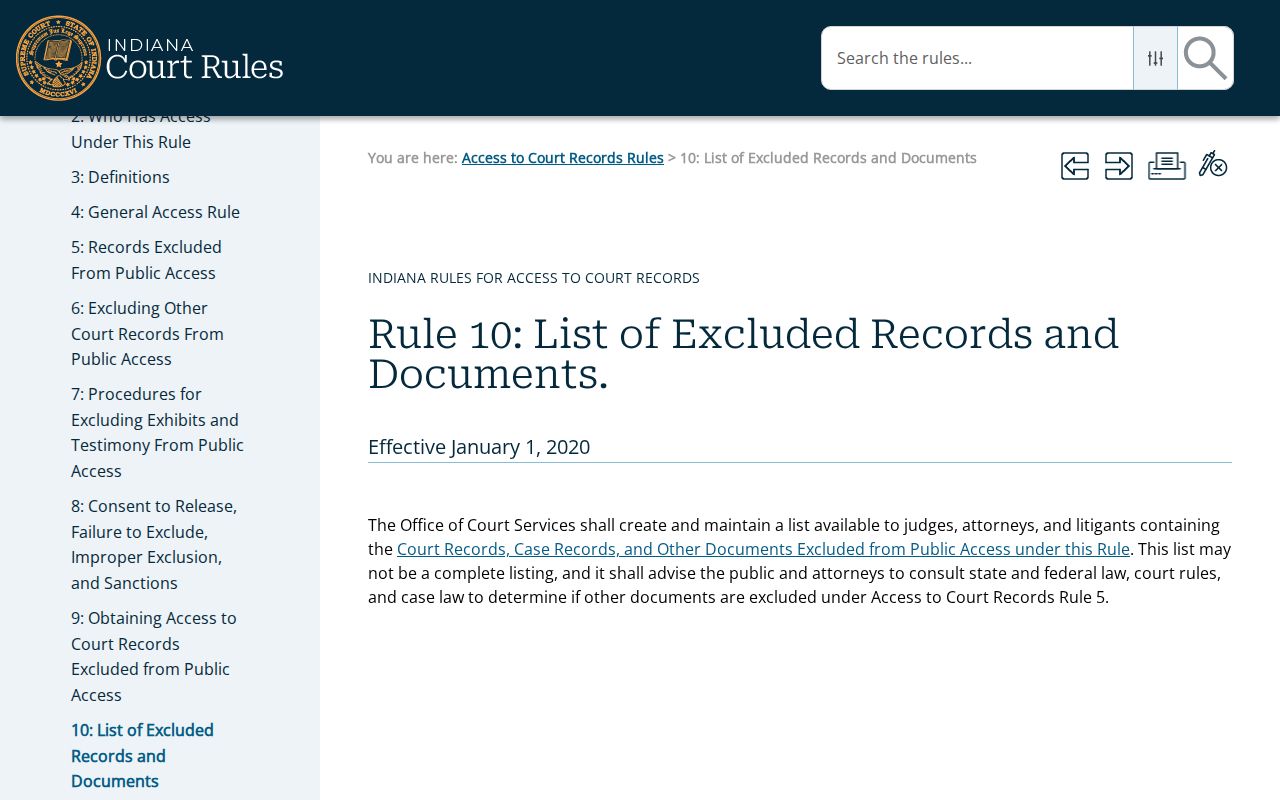
That exclusion list answers a common puzzle. A case heading shows up in a docket search, yet the document, address, exhibit, or identity field behind it stays off limits.
Rule 9 Pike Record Requests
Confidentiality still controls even after a good-faith request. Indiana Rule 9 offers a formal path: a verified request filed with the court asking it to release an excluded record. The court weighs extraordinary circumstances, public interest, harm, prejudice, and any reason the exclusion should not apply. Wins here are rare, so plan accordingly.
The official Rule 9 text spells out that route.
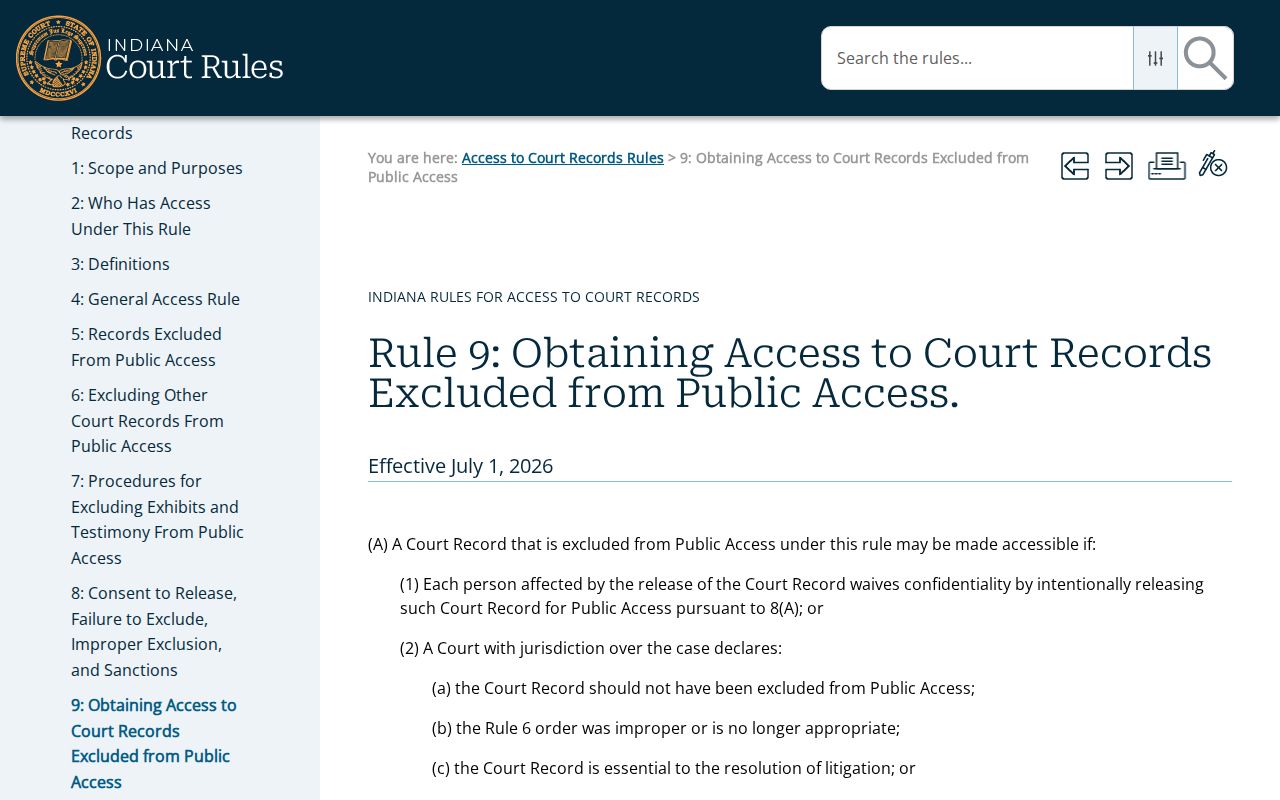
File the verified request with the court that holds the record, not through a routine MyCase search. MyCase cannot lift an exclusion.
Note: Ask the Clerk which authority shields a record before you decide whether Rule 9 suits the missing filing.
Sealed Records and Public Access
Rule 4 starts from a simple premise. A court record is public unless Rule 5 or some other authority excludes it. Public does not mean online, though. Juvenile material, mental-health records, sealed cases, expunged records, and protected items may simply never appear in a search. Protection-order cases sit in a separate state search, because MyCase excludes the protected identities involved.
For public agencies, the baseline is Indiana's Access to Public Records Act, Indiana Code 5-14-3. Judicial records answer to the Supreme Court rules instead. The Indiana Code Title 5 source carries the statute.
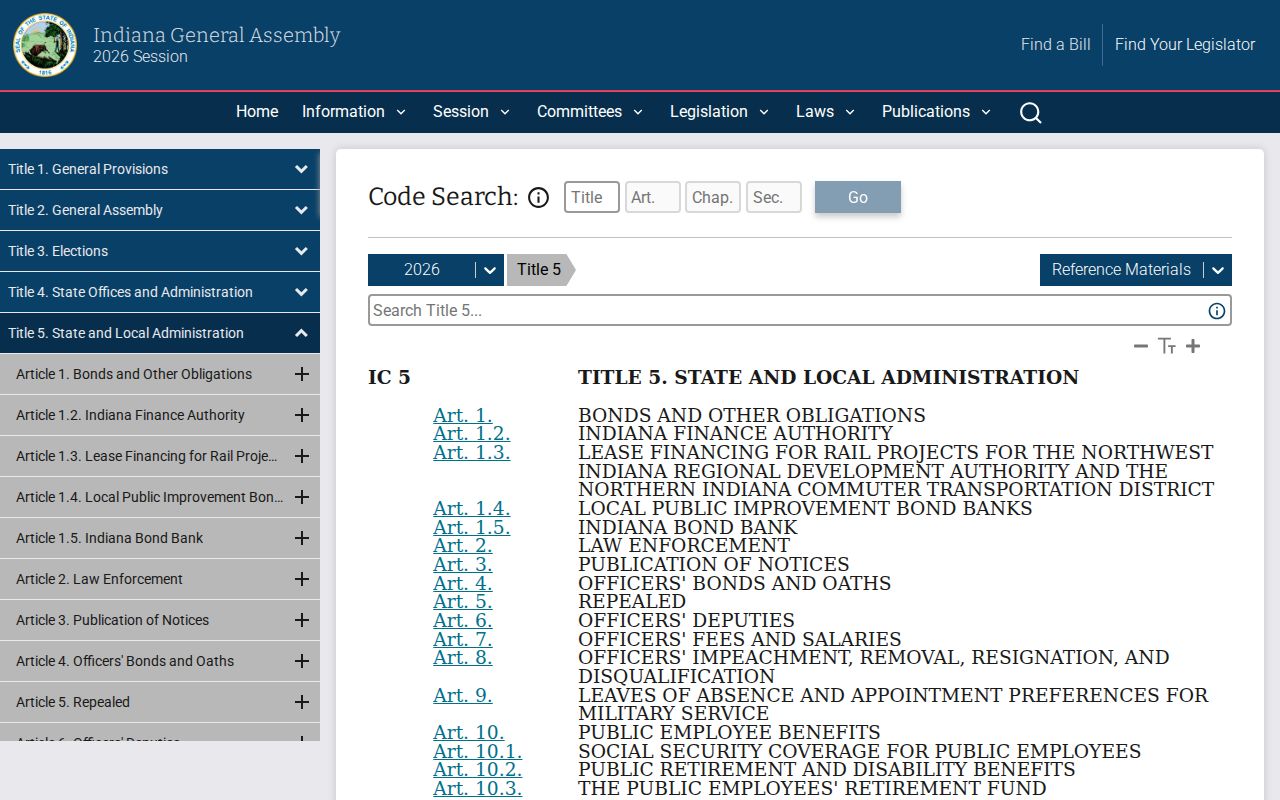
APRA can shape a pointed public request; the judicial rules decide whether Pike County court records actually get released.
Indiana access framework:
Rule 4 presumes access unless excluded.
Rule 5 defines excluded records.
Rule 9 supplies the verified request process.
A missing entry is not always a closed door. First confirm the case number and the court, then ask whether the record is old, unscanned, restricted, sealed, expunged, or held by a reporter. The Pike County case lookup walks through the wider process.